

In 2026, smart is no longer just a buzzword. It’s the standard we expect from almost every environment we enter. Homes, offices, restaurants, gyms, even airports. The modern expectation is that spaces should work with us, not against us. Lights that adjust themselves. Doors that open on approach. Washrooms that are hygienic and efficient without anyone needing to press a button. Fast Wi-Fi, reliable systems, and intuitive layouts are all part of it.
But “smart” doesn’t necessarily mean high-tech. In fact, some of the smartest upgrades in today’s facilities are incredibly simple. They don’t require apps, AI, or a complete redesign. What they do require is a bit of thinking about how people move through and use a space. Whether you’re managing a co-working hub, running a restaurant, or just renovating a property portfolio, understanding what smart really looks like today can lead to better spaces and smoother operations.
Smart is About Usefulness, Not Just Gadgets
It’s easy to associate smart facilities with complex systems. Facial recognition, integrated building management software, robotic cleaners. And yes, those things exist. But smartness isn’t about being futuristic. It’s about making environments more responsive, efficient, and enjoyable to use.
Read More : Guide to Residential Glass Selection for Pocatello Homes
Take restaurants for example. A truly smart dining space doesn’t just have online reservations. It has well-ventilated kitchens, soundproofed seating areas, automatic taps in the loos, and easy-to-clean surfaces. The most effective upgrades often happen behind the scenes. Quiet improvements that reduce staff workload, keep hygiene standards high, and make the experience smoother for customers.
In homes, the shift is even more personal. Smart thermostats and lighting systems are popular, but equally important are things like airflow, quiet appliances, and good water pressure. These don’t sound revolutionary, but they’re what people notice every single day.
The Washroom Test
A good test of whether a space is smart is to visit the washroom. It’s one of the few places where every person interacts with the building. Whether in an office, a café, or a gym, the condition and design of the washroom tells you how much thought has gone into the wider space.
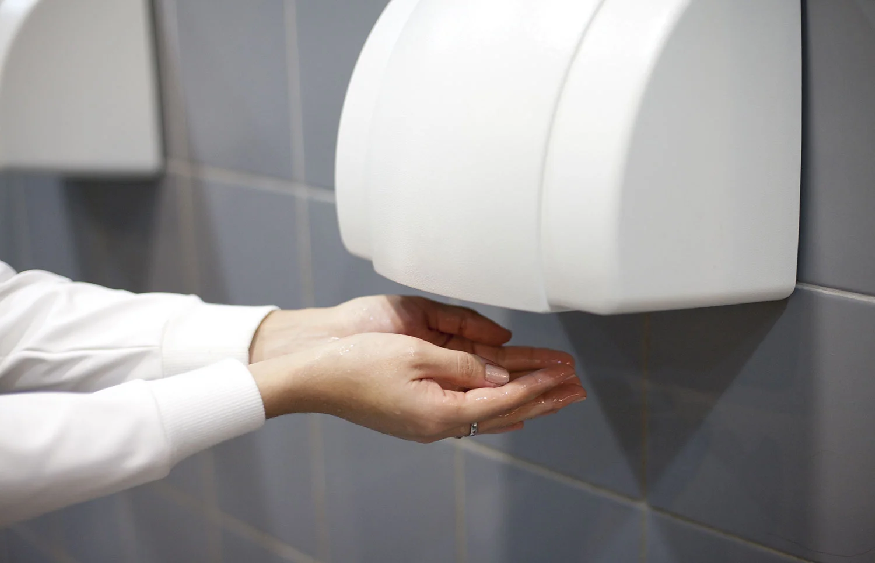
Are the surfaces clean? Do the taps turn on without contact? Does the dryer actually dry your hands without taking forever or sounding like a jet engine?
These features may seem basic, but they reflect broader thinking about hygiene, comfort, and efficiency. Businesses now have access to better tools than ever. For instance, reliable, low-energy hand dryers designed for modern environments are widely available and easy to integrate into both public and private facilities.
When the washroom works well, it’s a signal that the rest of the space probably does too.
Data is Quietly Running the Show
We often think of data in terms of dashboards and KPIs. But in facilities, it shows up in more practical ways. Sensors that monitor room occupancy. Logs that show how often a door is used. Reports that track cleaning frequency or energy use. All this data helps people manage spaces more proactively.
In a hotel, this could mean adjusting staffing levels based on check-in trends. In a university, it could help optimise class schedules based on real-time space usage. Even in private homes, smart meters now help residents monitor water and power consumption without digging through bills.
Data doesn’t have to be intrusive. It just needs to be useful. And in the right hands, it helps improve everything from sustainability targets to the general mood of a room.
Connectivity is Non-Negotiable
We’ve reached the point where slow or patchy Wi-Fi is unacceptable in most settings. Whether someone is ordering lunch through an app, downloading files in a coworking space, or setting up a video call from home, internet reliability is part of the basic infrastructure.
Smart facilities recognise this and treat connectivity the way older buildings treated plumbing. As a core system that needs constant performance.
In restaurants and cafés, strong connections enable quick payment, order tracking, and customer reviews in real time. In offices, it supports everything from hybrid working to cloud access. And in homes, connectivity is now central to how we work, learn, and relax.
It’s not flashy. But it’s essential.
Automation That Adds Value
Motion-activated lights. Smart blinds. Timed heating. Automated door locks. These kinds of features are everywhere now, from suburban homes to high-end commercial spaces. But the best examples are those that make life easier without adding complexity.
For instance, a restaurant kitchen where fans automatically respond to heat levels. Or a hotel room that dims lights after a certain hour. These systems cut energy costs and reduce the mental load on staff or guests. And when they work quietly in the background, they make the space feel better managed and more comfortable.
That’s the essence of smart. Not more effort, but less.
Smarter Doesn’t Mean Expensive
One myth about smart facilities is that they’re costly to implement. But many of the most impactful changes are straightforward and budget-friendly.
Replacing outdated taps with sensor-based ones. Installing more efficient hand dryers. Switching to LED lighting with motion sensors. Using natural ventilation where possible. These upgrades don’t require a massive outlay, but they reduce long-term running costs and improve day-to-day usability.
In commercial kitchens, simple switches like automatic shut-off valves or water-saving pre-rinse sprayers can make a real difference without overhauling the whole space.
And in homes, changes like draft-proofing, better insulation, and smart plugs go a long way toward improving comfort and reducing bills.
Experience First, Tech Second
At the heart of every smart facility is the user experience. What they touch. What they see. What slows them down or makes them hesitate.
A cluttered entrance. Confusing signage. A noisy open-plan office. These things aren’t high-tech problems, but they are very real obstacles to a smart environment.
The spaces we remember are the ones that work without friction. You don’t have to think about how to open the door or where to wash your hands. The heating doesn’t swing from sauna to freezer. The Wi-Fi connects instantly. These details are what make people want to return.
For wider commercial, hospitality, or public-facing projects, small supporting details can make the finished space feel more complete. Composite decking can provide a durable, low-maintenance surface for terraces, entrances, outdoor seating areas, and customer-facing spaces; while traditional signage can add character, direction, and brand presence; while digital signage can share changing information, promotions, menus, or wayfinding updates clearly.
Final Thoughts
As we move deeper into 2026, the conversation about smart facilities is shifting. It’s no longer about having the flashiest systems. It’s about using space wisely. Making it comfortable. Keeping it efficient. Thinking about people first, and tech second.
Read More : How to Maximize Your Solar Generator for Camping
From washrooms to Wi-Fi, the smartest spaces are the ones that anticipate needs and remove obstacles. And whether you’re designing a new office, running a busy restaurant, or simply improving a home, those principles apply.
Smart isn’t a status symbol anymore. It’s just how good spaces work.